
Last Light On Ibex Dunes
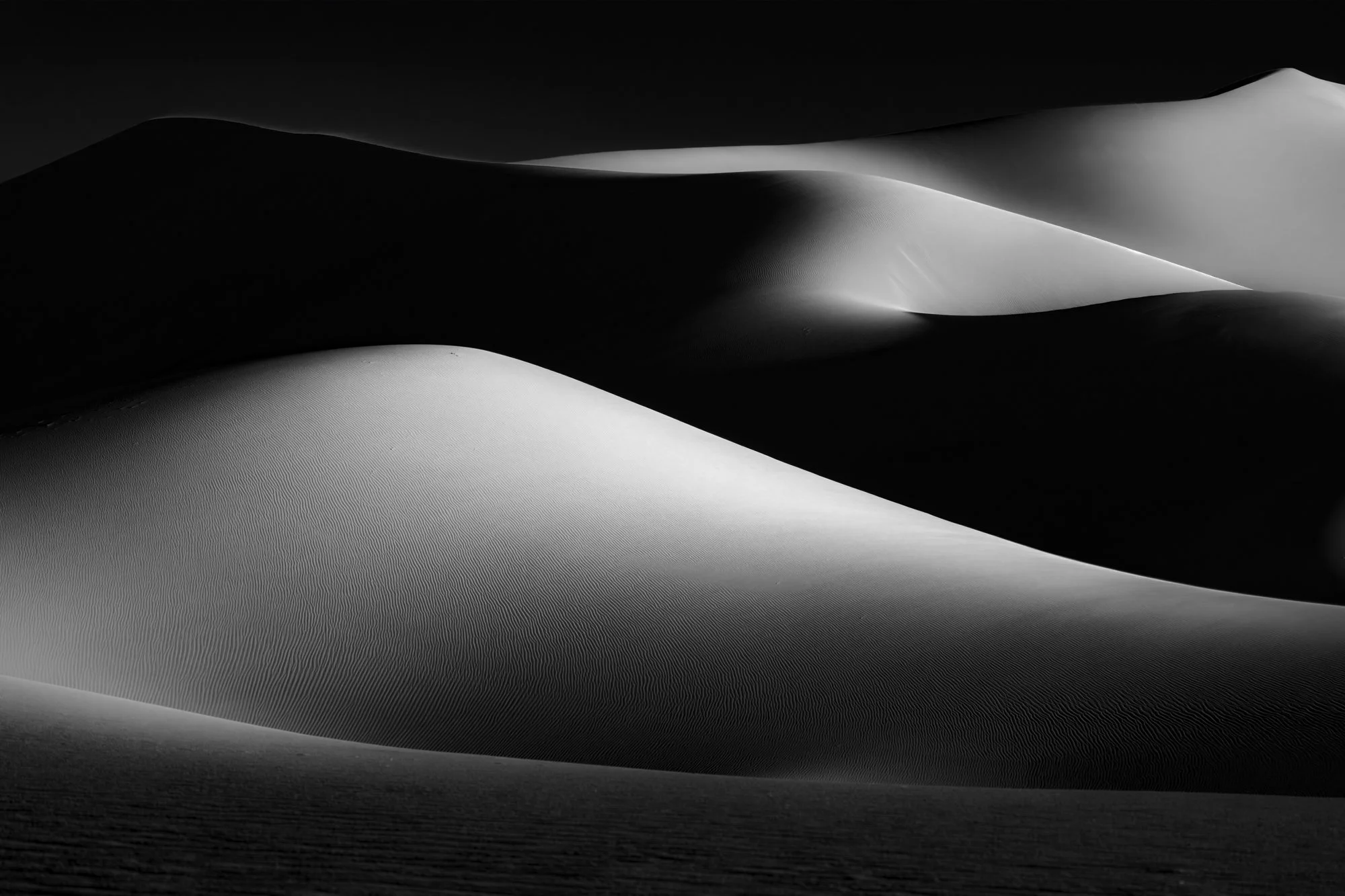
Death Valley NP
LAST LIGHT ON IBEX DUNES
A BRIEF SUMMARY OF LAST LIGHT ON IBEX DUNES
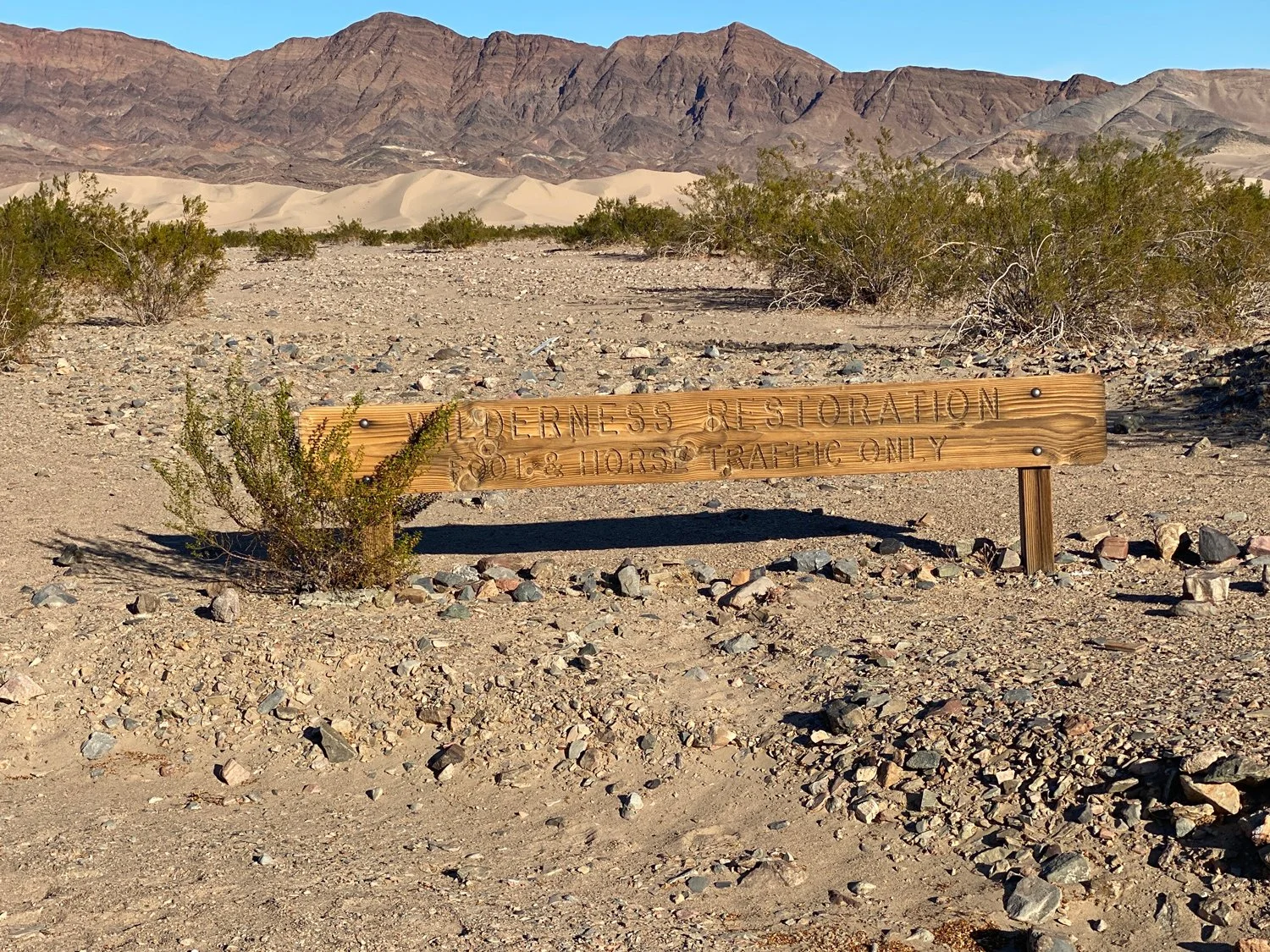
Ibex Dunes are one of the best-kept secrets in Death Valley and one of my favorite dunes to photograph. They are located in the southernmost part of the park, approximately 2.5 hours from Furnace Creek. Few people visit this remote location, which means there are limited to no footprints!
These modest-sized dunes stretch roughly 1.5 miles long and 0.5 miles wide, with peaks about seven to ten stories high. There are five main dunes (3 larger and two smaller) that run in a north-south direction, so the afternoon and golden sunset light will illuminate the right side. From the small parking area, the hike to the dunes is about 1.5 miles.
Images and location summary by Tim Wier

Annual Subscription
Lifetime Membership
DATA POINTS INCLUDED WITH LAST LIGHT ON IBEX DUNES SUMMARY
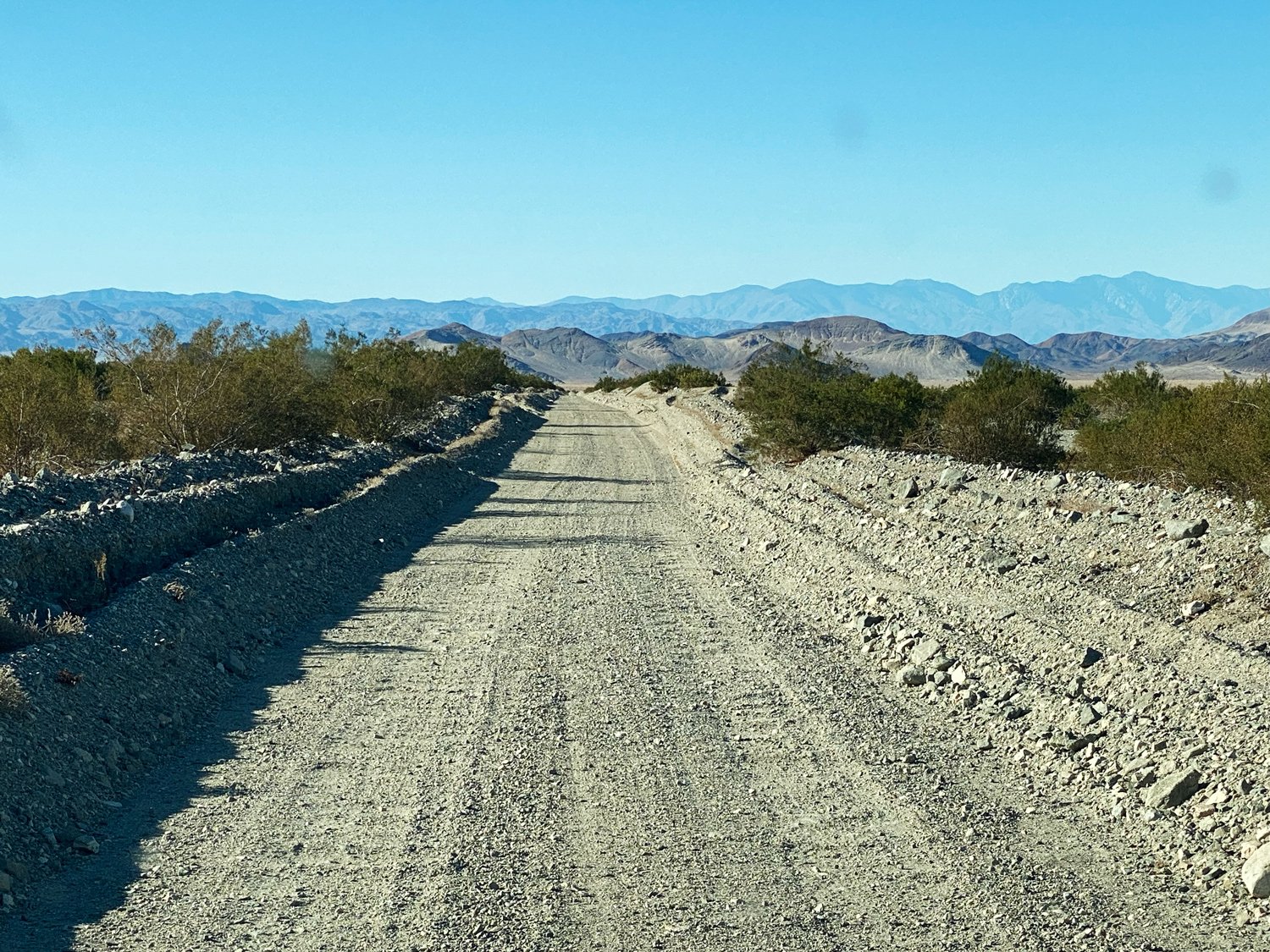
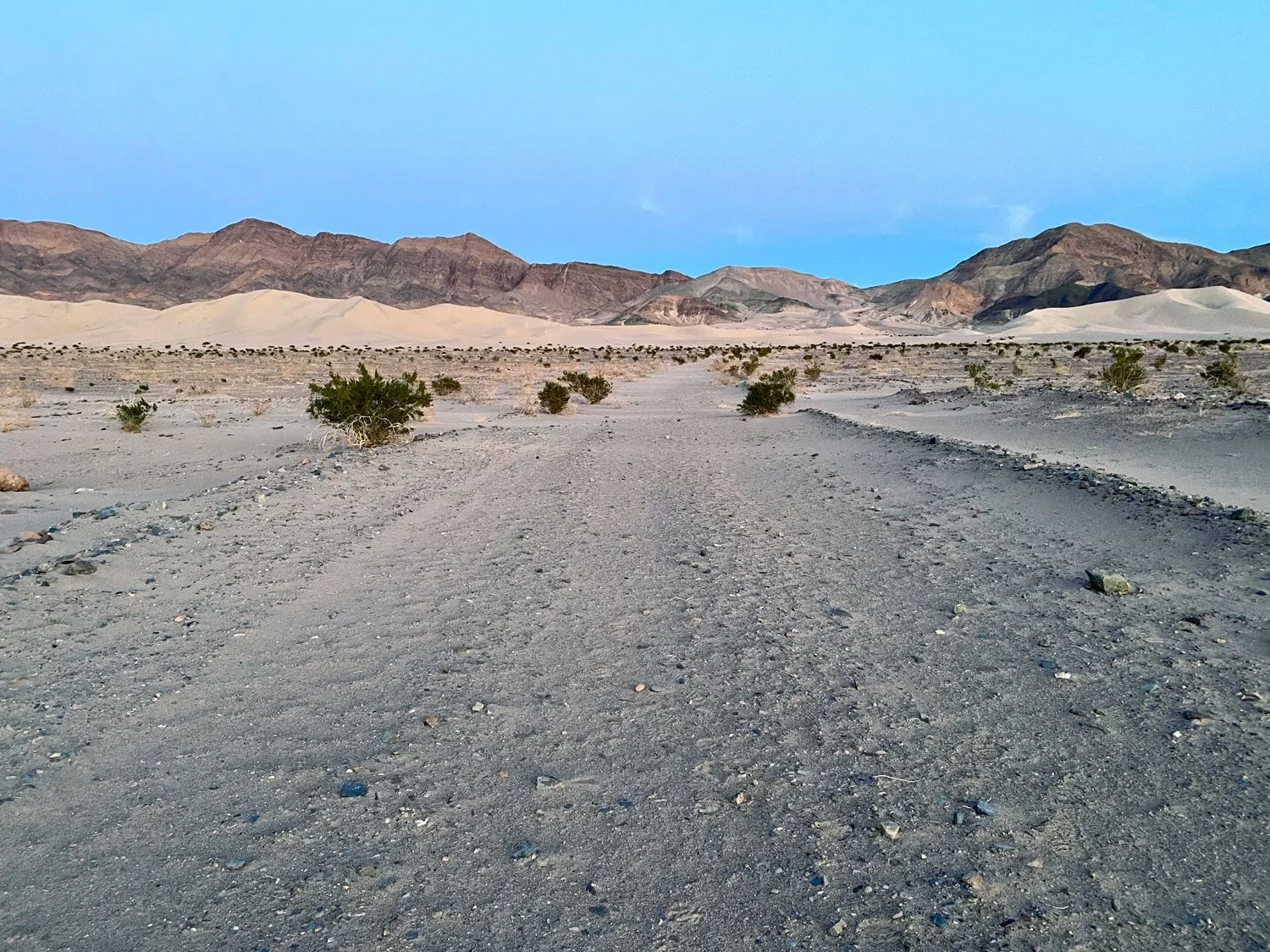
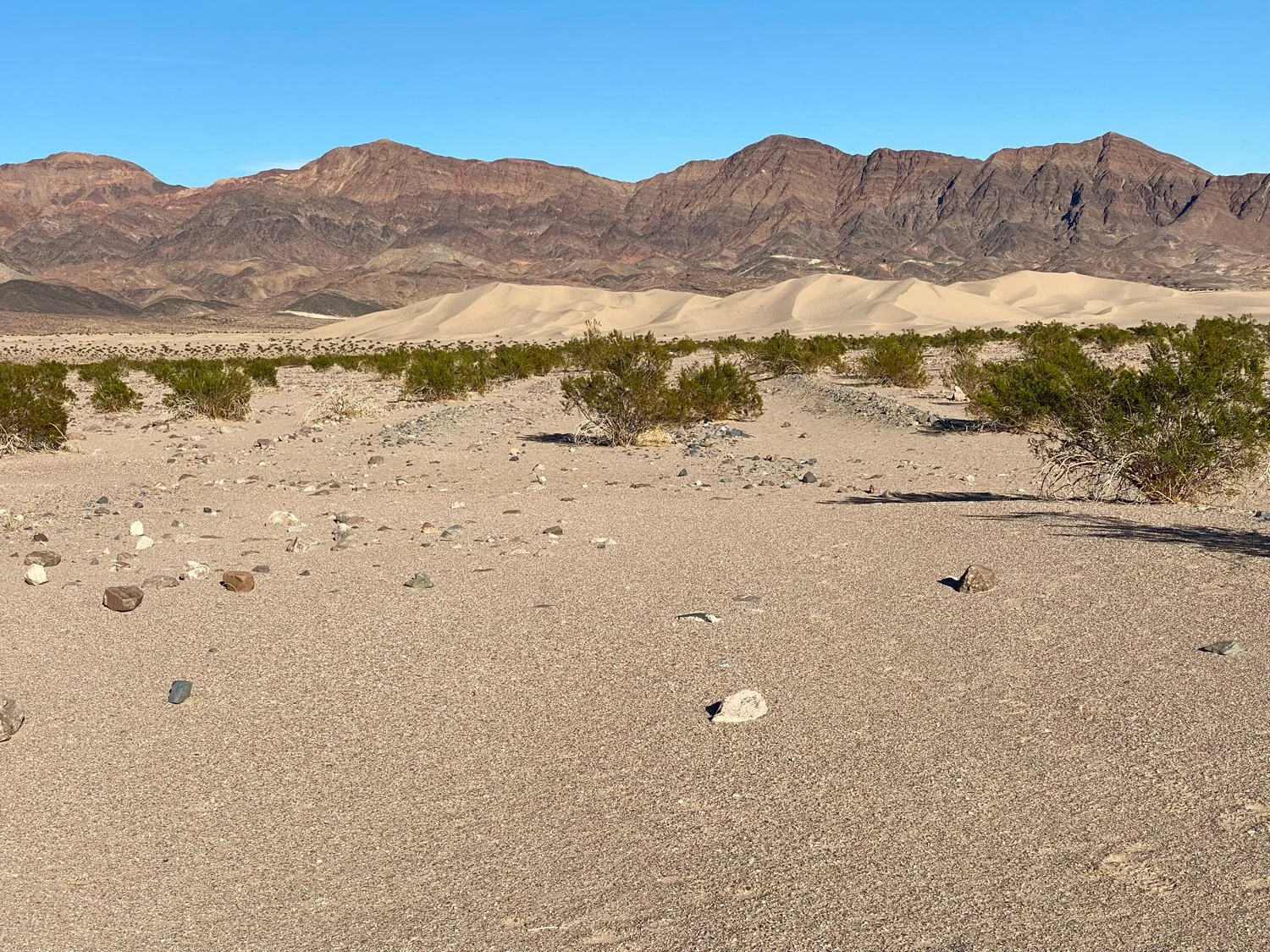
II rate this trail's difficulty as 3 on a scale of 1 to 5, with 5 being the most difficult.
The drive to Ibex Dunes is about 9 miles off of HWY 127. The first 6 miles are over an old gravel road filled with washboards (10 - 20 mph). The final 3 miles are easier but still involve driving over rocks, washboards, and some sand. The GPS coordinates for the trailhead (a small, unmarked parking area) is xx°27'5.80"N xxx°50'16.64"W. From the trailhead, it is a moderate 1.5-mile walk to the dunes.
When photographing sand dunes, I am usually looking for compression shots, abstracts, or moods created by curves and shadows.
Ibex Dunes offers several great options for landscape photographers and consists of five main dunes (3 larger and 2 smaller) that run north-south. This is great for late afternoon to sunset, as the golden sunset light will illuminate the right side. The dunes stretch about 1.5 miles long and about .5 miles wide, and the best light can be short-lived at the beginning or end of the day. So try to arrive early and scout out your potential shots well before the best light.
Don’t be too quick to leave the dunes at sunset, as sometimes you can capture some great shots during the blue hour on these magnificent dunes.
When photographing the dunes, I like to take my telephoto lenses ranging from 100 mm - 500 mm.
The image above was taken 123 mm.
270 Ft. Elevation
Other Resources Available with Membership
KMZ Trail File
Directions
Best Time of Day to Shoot
Best Time of Year to Shoot
Equipment Needed
Permits Required
Direction of Shot
Google Maps Birds-Eye-View
Number of Photographers to Expect
Cell Service
Overnight Lodging/Camping
Nearby Restaurants
Area Guides and Workshops
Other Resources
LOCATION SUMMARIES WRITTEN BY PROFESSIONAL PHOTOGRAPHERS


